
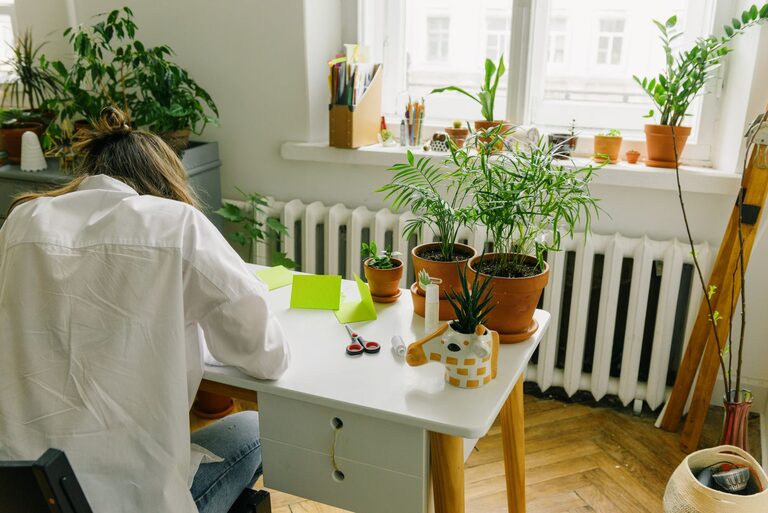

Creating a home office that is both sustainable and productive can greatly enhance your work experience while reducing your environmental impact. Whether you work remotely full-time or need a dedicated space for occasional tasks, tailoring your workspace with these principles in mind can improve focus and comfort. This guide will walk you through practical tips to set up a home office that supports your work goals and respects the planet.
Why Focus on Sustainability and Productivity?
A home office designed with sustainability emphasizes minimizing waste, saving energy, and using resources thoughtfully. Meanwhile, productivity comes from an environment that supports concentration, reduces distractions, and encourages good habits. Combining both creates a workspace that feels inviting and efficient, promoting better work outcomes and a healthier lifestyle.
Choosing the Right Location
Prioritize Natural Light
Try to select a space with ample natural light. Sunlight not only reduces the need for artificial lighting but also helps regulate your natural body clock and improve mood.
Consider Noise Levels
Pick a quiet spot away from household traffic or street noise to maintain concentration. If noise is unavoidable, think about noise-cancelling headphones or soundproofing options.
Maximize Ventilation
Good air circulation contributes to comfort and alertness, so ensure your workspace has access to fresh air or a good air purifier.
Sustainable Furniture and Equipment
Opt for Eco-Friendly Materials
Look for desks, chairs, and shelves made from sustainable materials like bamboo, reclaimed wood, or recycled metal. These choices reduce deforestation and carbon footprints.
Choose Ergonomic Design
Invest in ergonomic chairs and desks to support posture and reduce strain during long hours of work. A comfortable setup promotes productivity and wellbeing.
Energy-Efficient Electronics
Select energy-saving devices with certifications such as ENERGY STAR. Use power strips to easily disconnect equipment when not in use and reduce standby power consumption.
Organizing Your Workspace
Declutter Regularly
Keep your desk clear and organized. A tidy area reduces distractions and stress, making it easier to focus on tasks.
Use Minimalist Storage Solutions
Choose simple organizers made from sustainable materials to keep essentials within reach without overcrowding the space.
Incorporate Plants
Indoor plants not only improve air quality but also add a calming natural element. Popular low-maintenance options include snake plants and pothos.
Lighting and Ambiance
Mix Natural and Artificial Light
Complement daylight with adjustable LED lamps that reduce eye strain. Warm light tones are generally more relaxing and work-friendly.
Personalize with Green Elements
Add reusable decorations or artwork that reflect your style but avoid excessive plastic or disposable items.
Efficient Use of Resources
Paperless Workflow
Whenever possible, switch to digital documents to reduce paper waste. Use apps and tools for note-taking, scheduling, and file sharing.
Recycle and Reuse
Have separate bins for recycling and compost near your workspace to encourage responsible habits.
Save Energy
Switch off lights and electronics when not in use. Consider setting timers or motion sensors to automate energy savings.
Establishing a Routine
Dedicated Work Hours
Set clear start and end times for work to maintain balance and avoid burnout.
Breaks and Movement
Schedule short breaks for stretching or walking to enhance circulation and mental clarity.
Minimize Digital Distractions
Use website blockers or do-not-disturb modes to stay focused during peak productivity periods.
Maintaining Comfort
Temperature Control
Use fans or heaters judiciously and dress in layers to stay comfortable without excessive energy use.
Hydration and Nutrition
Keep a water bottle nearby and plan healthy snacks to sustain energy levels.
Mindful Decor
Choose calming colors such as blues, greens, or neutral tones to create a relaxed atmosphere conducive to work.
Conclusion
Designing a sustainable and productive home office involves more than just aesthetics. It’s about creating a space that supports your physical health, mental focus, and environmental responsibility. By choosing the right location, furniture, and habits, you can craft a workspace that inspires creativity and productivity while caring for the planet. Small, thoughtful changes build up to a significant impact on your well-being and work performance.
Start with one or two suggestions today, and gradually build your ideal home office that serves both you and the environment well.